
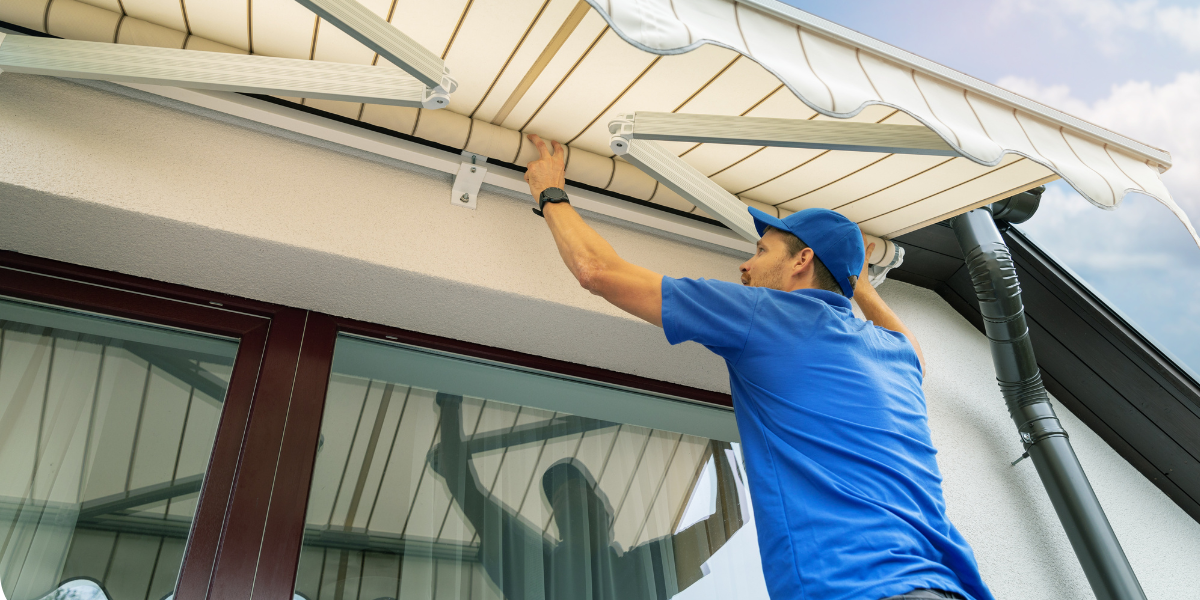
Creating a comfortable and stylish outdoor area is a priority for many homeowners and business owners. One of the most effective ways to enhance outdoor spaces is by installing an Awning. Awnings provide shade, protect against weather elements, and improve the visual appeal of patios, decks, storefronts, and windows.
However, choosing the right Awning involves more than simply selecting a design you like. Factors such as materials, functionality, durability, and long-term Awning Maintenance should all be considered. Whether you’re installing an awning for a home patio or a commercial storefront, the right choice can transform your outdoor space while providing long-lasting performance.
In this complete guide, we’ll explore the key factors to consider when selecting the perfect awning and how proper maintenance and repair services like Commercial Awning Repair and Repair Shop Awning solutions can help keep your investment in top condition.
Why Install an Awning?
An Awning offers both functional and aesthetic benefits. It not only provides protection from sun and rain but also adds value to your property.
Key Benefits of Awnings
- Provides shade and reduces heat in outdoor spaces
- Protects furniture, doors, and windows from UV damage
- Enhances the appearance of homes and commercial properties
- Improves energy efficiency by reducing indoor temperatures
- Creates comfortable outdoor living or dining areas
For businesses, awnings also act as a branding tool by displaying logos, colors, and signage that attract customers.
Types of Awnings to Consider
Before selecting an Awning, it’s important to understand the different types available. Each type serves specific needs and environments.
1. Retractable Awnings
Retractable awnings are one of the most popular options for patios and decks. They can be extended when shade is needed and retracted when you want sunlight.
Advantages
- Flexible shade control
- Easy to store during storms
- Modern and stylish appearance
Regular Awning Maintenance is essential for retractable systems, especially for moving parts and motorized components.
2. Fixed or Stationary Awnings
Fixed awnings are permanently installed and provide continuous protection from sun and rain. They are commonly used for windows, doors, and storefronts.
Advantages
- Strong and durable structure
- Provides constant protection
- Ideal for commercial buildings
Businesses often rely on professional Commercial Awning Repair services to maintain fixed awnings exposed to heavy weather conditions.
3. Freestanding Awnings
Freestanding awnings are independent structures that can be installed in gardens, pool areas, or outdoor dining spaces.
Advantages
- Flexible placement
- Perfect for large outdoor areas
- Adds decorative appeal
These awnings require routine inspections and occasional Repair Shop Awning servicing to maintain structural stability.
Choosing the Right Awning Material
The material of an Awning plays a major role in its durability, appearance, and maintenance requirements.
Fabric Awnings
Fabric awnings are popular due to their versatility and wide range of colors and patterns.
Pros
- Attractive design options
- Lightweight and flexible
- Ideal for residential spaces
However, fabric awnings require regular Awning Maintenance to prevent mold, fading, and dirt buildup.
Metal Awnings
Metal awnings are typically made from aluminum or steel and are known for their durability.
Pros
- Highly durable
- Resistant to weather damage
- Requires less frequent cleaning
These are commonly used in commercial buildings where long-term durability is essential.
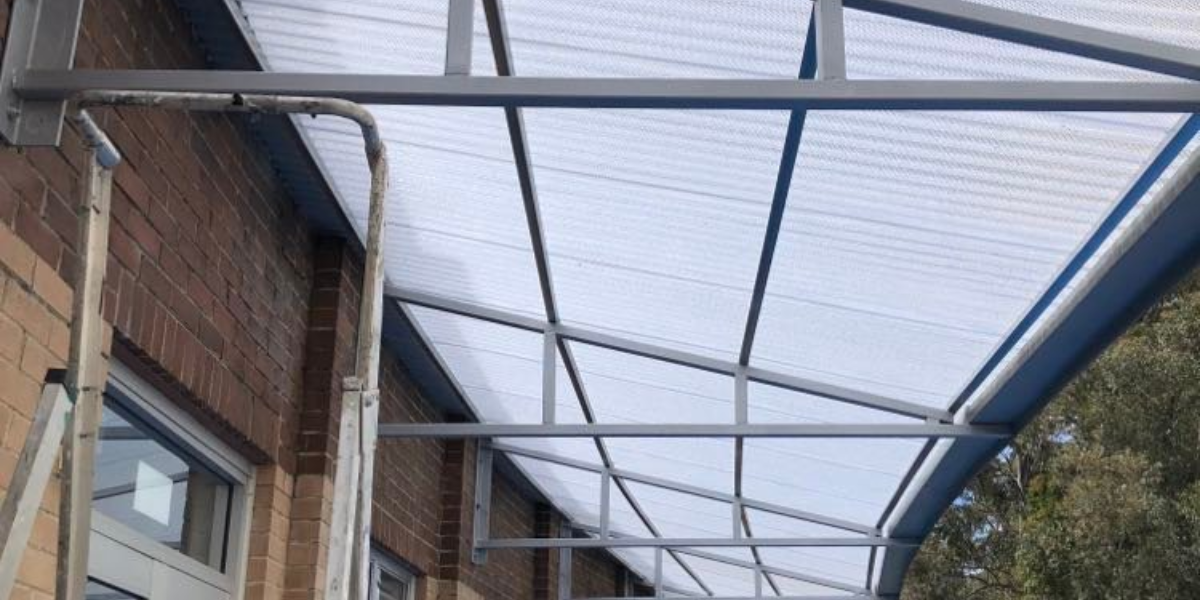
Polycarbonate Awnings
Polycarbonate materials provide a modern appearance while allowing natural light to pass through.
Pros
- UV-resistant
- Lightweight yet strong
- Modern aesthetic
This material works well for patios, entrances, and commercial walkways.
Factors to Consider When Choosing an Awning
Selecting the perfect Awning requires evaluating several important factors.
1. Purpose of the Awning
Determine whether the awning will be used for shade, rain protection, energy efficiency, or decorative purposes.
For example:
- Patio awnings for relaxing outdoor spaces
- Window awnings to reduce indoor heat
- Storefront awnings for branding and visibility
2. Size and Coverage Area
Measure the space carefully to ensure the awning provides sufficient coverage. A properly sized awning improves comfort and enhances the overall appearance of the property.
3. Weather Conditions
Local weather conditions play a major role in choosing the right awning. Strong winds, heavy rain, or intense sunlight require durable materials and proper installation.
Businesses in harsh environments often rely on Commercial Awning Repair services to maintain their awnings over time.
4. Style and Design
An Awning should complement the architectural style of your home or commercial building. Consider:
- Color schemes
- Fabric patterns
- Frame design
- Branding elements for businesses
A well-designed awning enhances curb appeal and creates a welcoming outdoor space.
Importance of Awning Maintenance
Once you’ve chosen the perfect Awning, maintaining it properly ensures long-term performance.
Regular Awning Maintenance includes:
- Cleaning dirt and debris
- Checking for fabric tears or fading
- Inspecting frame components
- Tightening bolts and hardware
- Lubricating moving parts for retractable awnings
Routine maintenance prevents small issues from turning into costly repairs.
When to Seek Professional Awning Repair
Over time, awnings may develop structural or fabric issues due to constant exposure to weather conditions. In such cases, professional Repair Shop Awning services can restore the awning efficiently.
Experts can handle:
- Fabric replacement
- Frame repairs
- Motorized system maintenance
- Waterproofing treatments
Businesses especially benefit from timely Commercial Awning Repair, as a damaged awning can negatively affect a store’s appearance and customer experience.
Conclusion
Choosing the right Awning can significantly enhance your outdoor space by providing comfort, protection, and visual appeal. With a wide range of styles, materials, and designs available, selecting the perfect awning requires careful consideration of your space, weather conditions, and functional needs.
Beyond installation, regular Awning Maintenance is essential to ensure durability and long-term performance. Routine cleaning, inspections, and timely repairs help prevent damage and extend the life of your awning.
If your awning shows signs of wear or structural issues, professional services such as Commercial Awning Repair or Repair Shop Awning solutions can help restore it quickly and effectively.
For expert awning solutions, installation, and maintenance services, visit awningsrus to explore professional options that can transform and protect your outdoor space.
FAQs
1. What type of awning is best for residential patios?
Retractable awnings are often the best choice for patios because they provide flexible shade and can be retracted during bad weather.
2. How long does an awning typically last?
With proper Awning Maintenance, most awnings can last between 5 to 15 years depending on the material and environmental conditions.
3. How often should awnings be inspected?
Awnings should be inspected at least twice a year to check for fabric damage, loose hardware, and structural issues.
4. Can commercial awnings be repaired instead of replaced?
Yes, many issues such as torn fabric, damaged frames, or mechanical problems can be fixed through professional Commercial Awning Repair services.
5. When should I contact a repair shop for my awning?
If you notice tears, rust, loose components, or difficulty operating the awning, it’s best to contact a Repair Shop Awning specialist for professional repair and maintenance.